Q&A: Dani Stammschroer
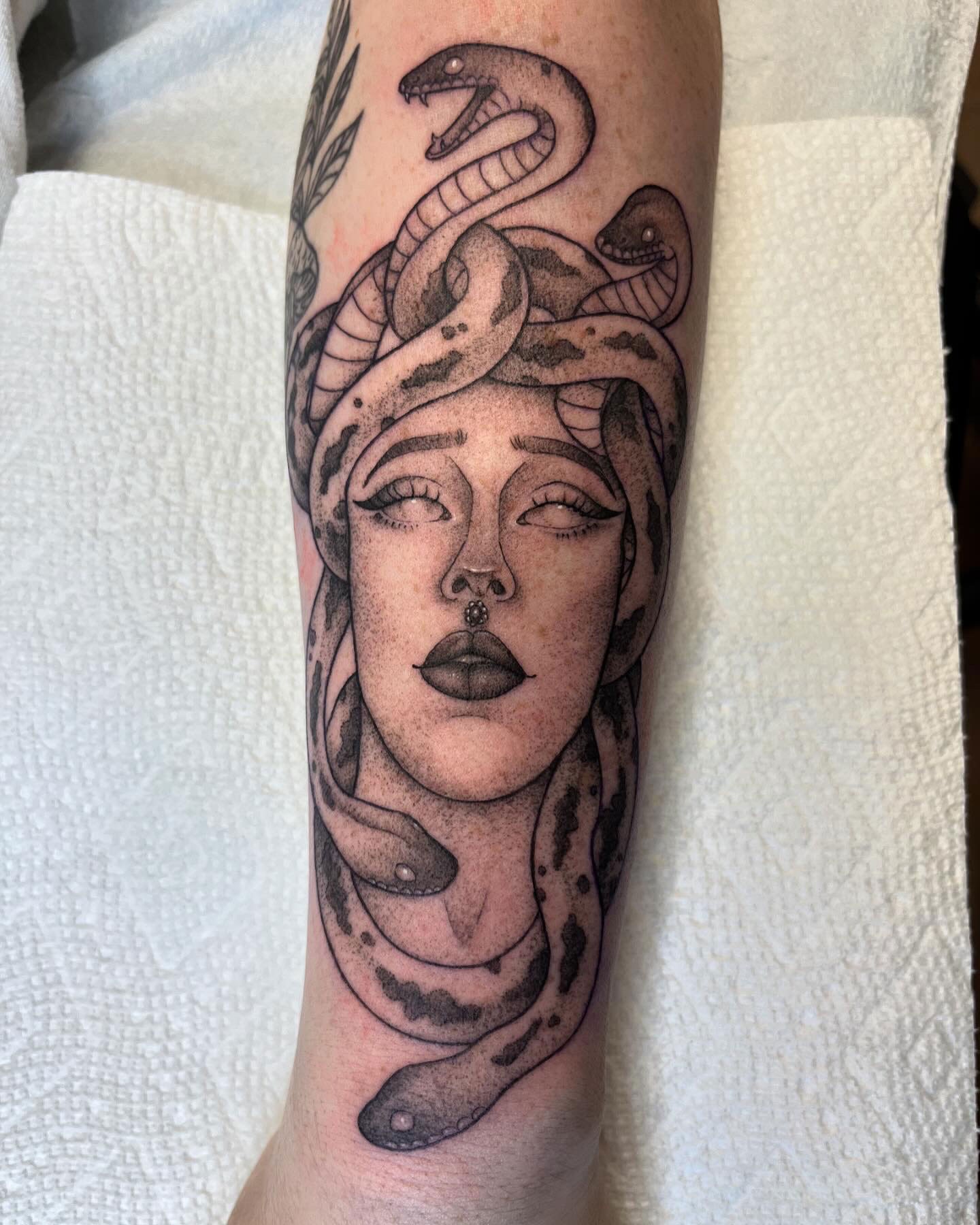
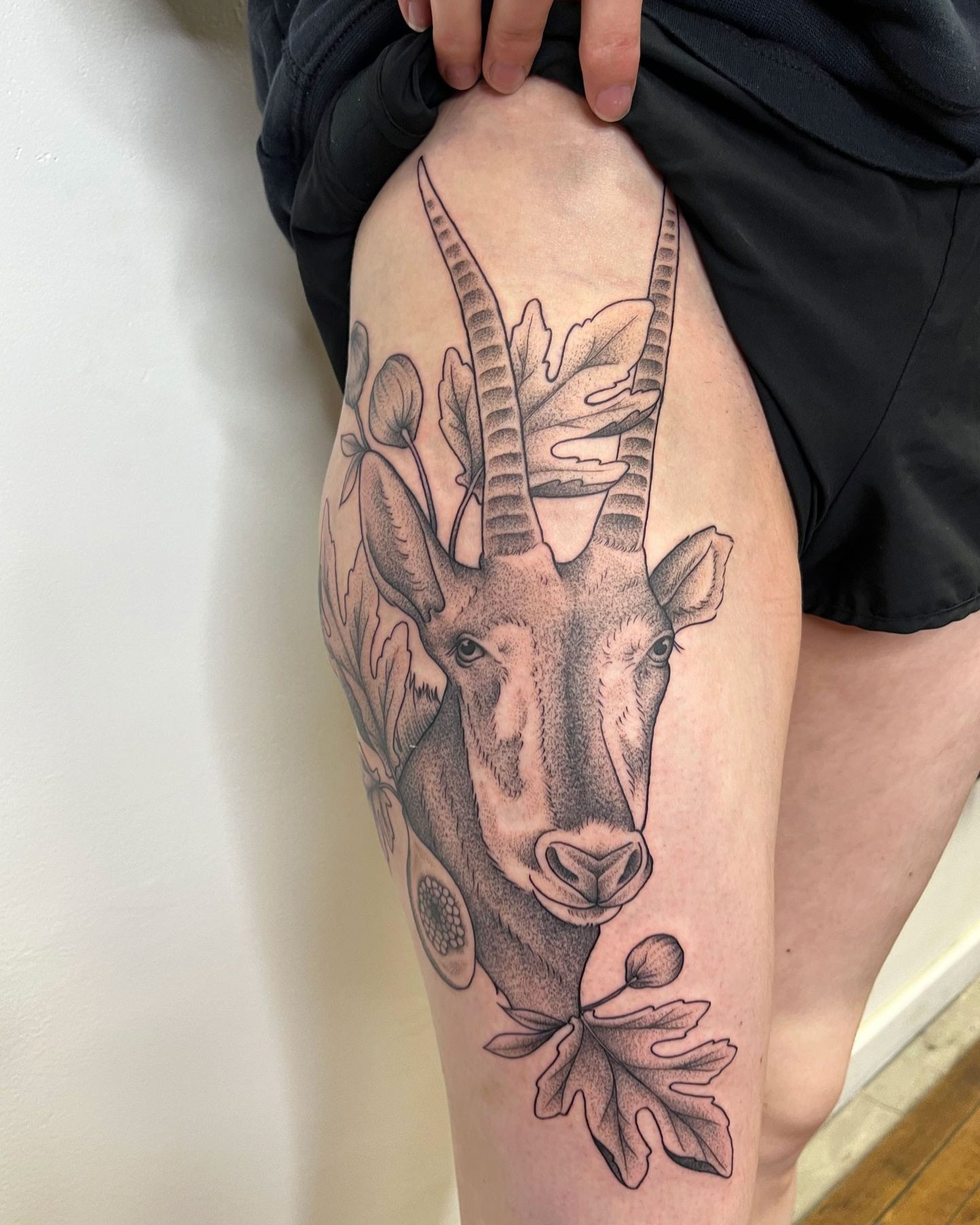
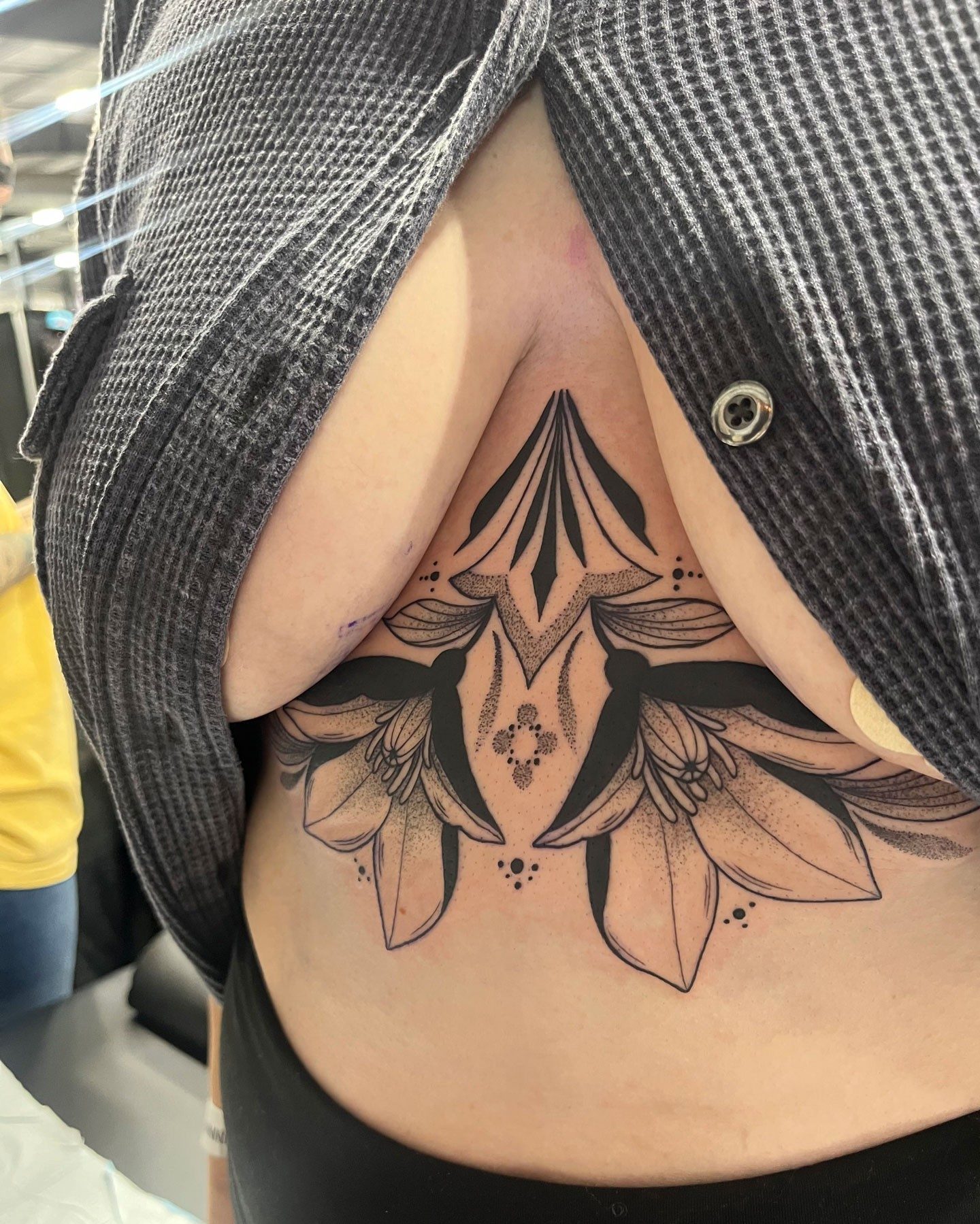
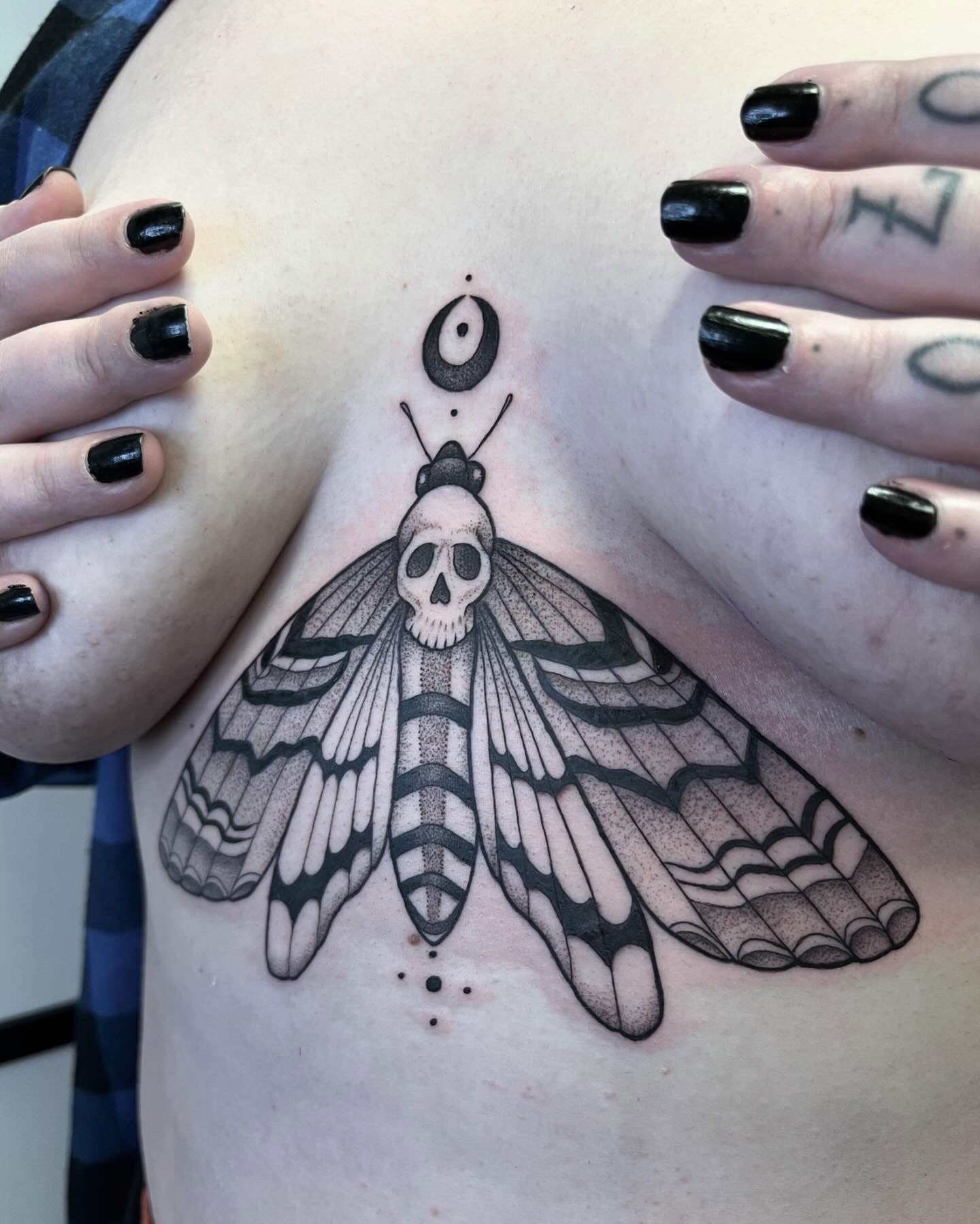
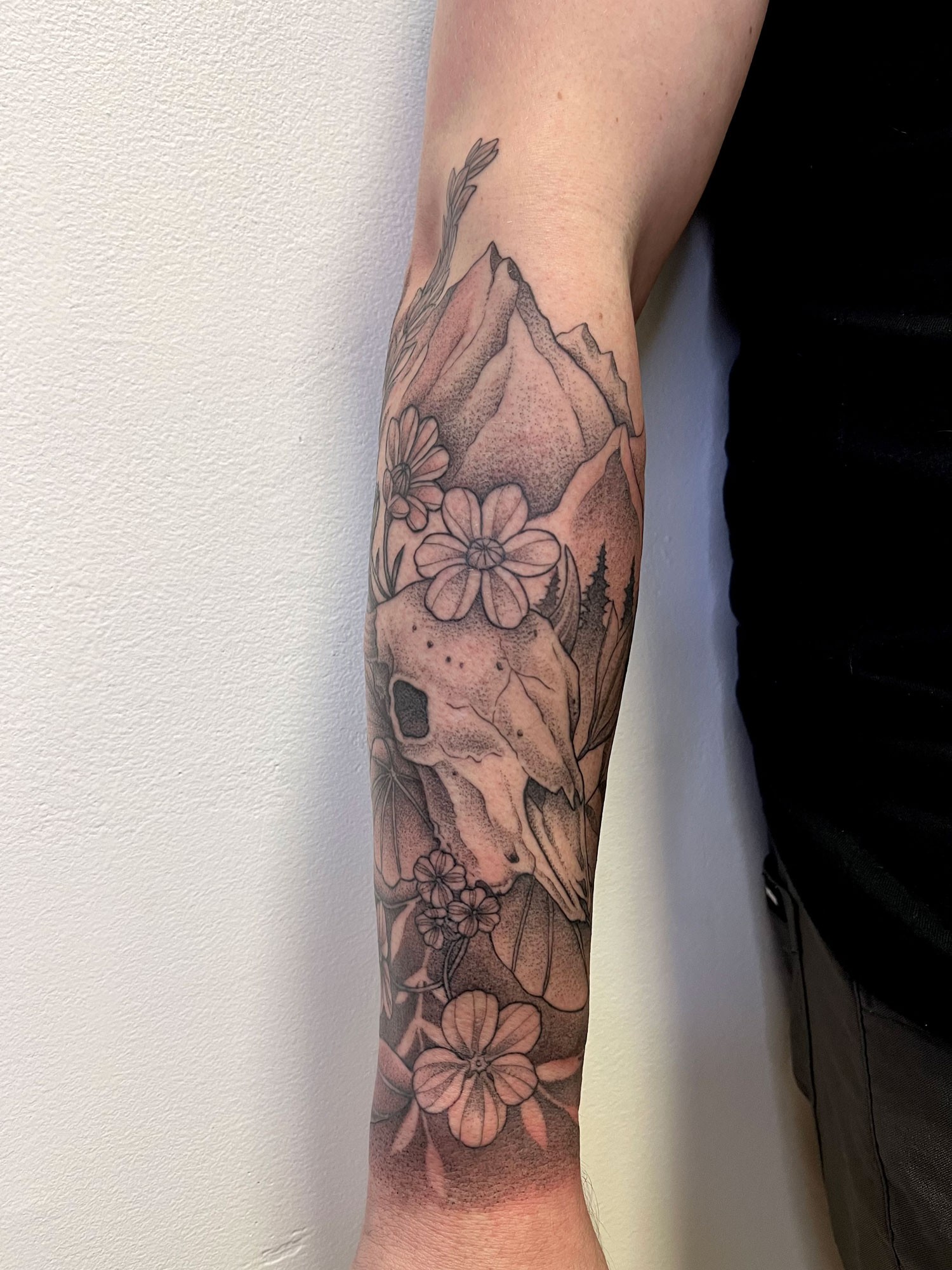
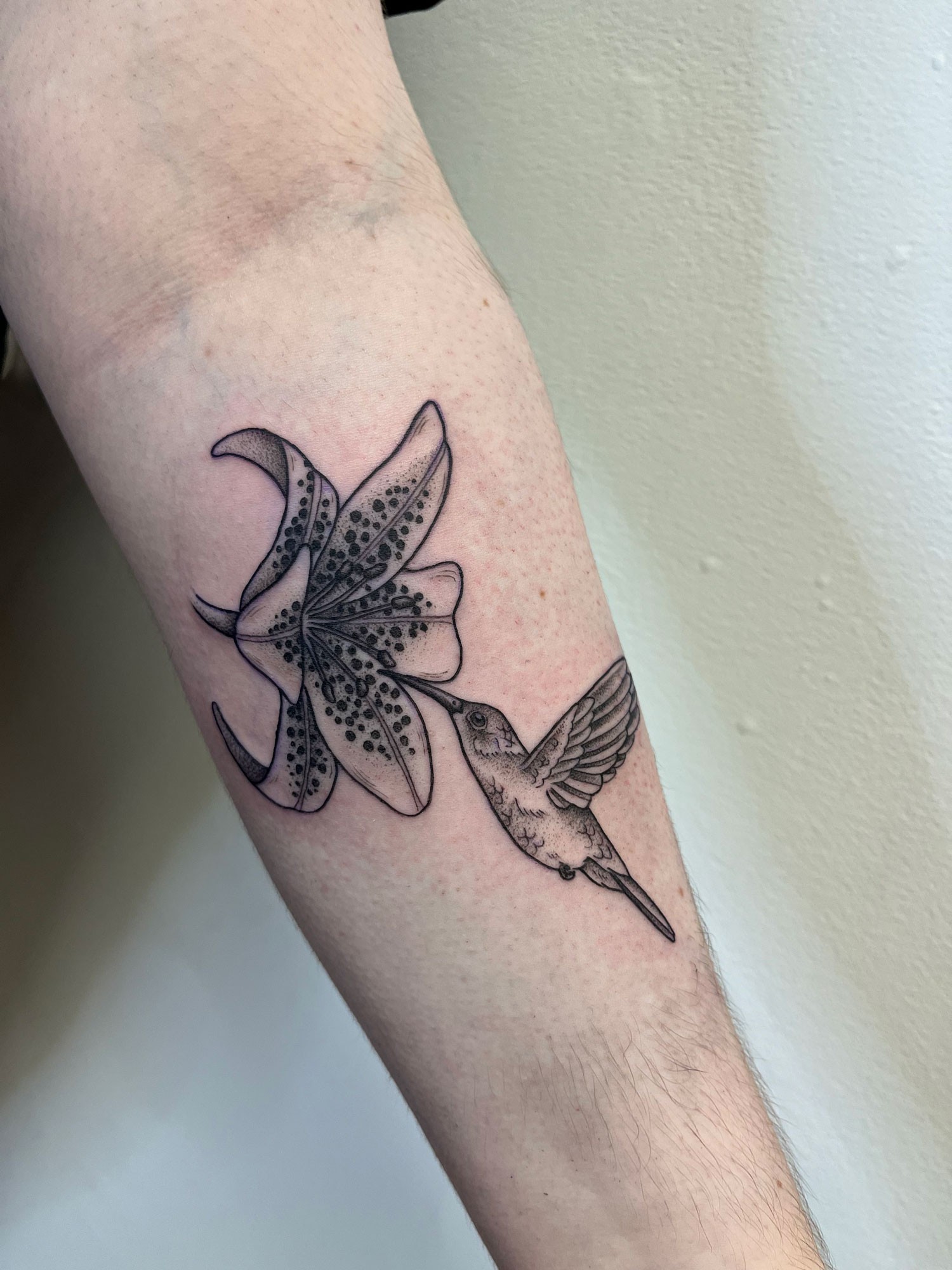
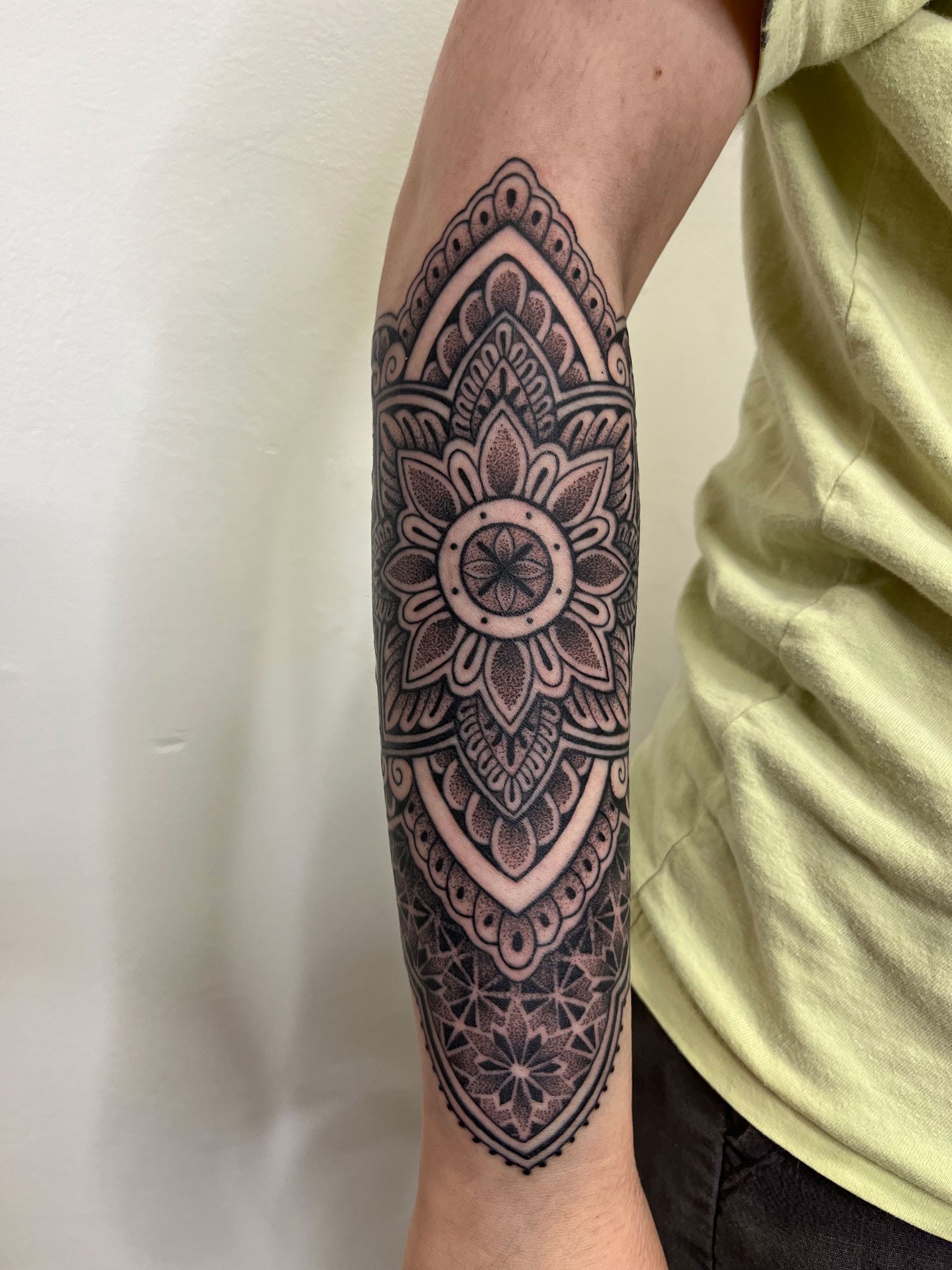
Dani has been a tattoo artist at Gauntlet Tattoo in Kitchener, Ontario, since August of 2021, but she started tattooing in 2019 while still at Sheridan. She specializes in illustrative dotwork/stippling. She loves tattooing botanicals, ornamental designs, animals (especially in clothing) and anything inspired by nature.
How important do you think it is for tattoo artists to develop a distinct personal style, and how did you go about finding yours?
It can be beneficial to have your own distinct style in tattooing. However, I don’t think that you should ever let the idea of this limit you. I remember being in school and always stressing about having a style that would set me apart from others and never feeling like I understood how to do so. Eventually, that just seemed to happen naturally from experimenting. To me, it’s much more important to be open and willing to try different things rather than obsessing over locking down one distinct style. That will come over time, but if you never try different approaches, you will really limit your growth.
As a tattoo artist, did you find yourself needing to adjust your style based on current tattoo trends, or have you stuck with your own vision regardless of what’s popular?
I luckily have not needed to adjust my style based on trends. When creating your portfolio, I think that it’s important to just draw and tattoo things that you genuinely enjoy doing, regardless of whether you think it’s going to perform well. Before starting tattooing, I had many people, teachers included, question why I would want to get into the industry, as I likely would struggle to have it be a full-time, lucrative job. When I started Illustration, I had no idea that tattooing could be a sustainable career path, but I didn’t care. I knew I wanted to do it whether I was tattooing one person a week and having to have a second job or being able to stay busy and solely tattoo. I do it because it’s what I love to do, and I wouldn’t love it nearly as much if I had to only tattoo things that were trending or popular rather than what brought me joy to create.
Since starting in 2019, what were some major obstacles you had to overcome to get to where you are now in your tattoo career? What did you have to do to push through those challenges?
I think the greatest obstacle I’ve had to overcome in my tattoo career was not trusting in myself and my abilities. It is very easy as artists to doubt ourselves, and this can really hold you back. My personal experience with getting started in tattooing definitely influenced this further. My mentor turned out to,, unfortunately,, be a pretty terrible human being, and he often would make and my fellow artists feel as if our work was never good enough unless he had a say in the design or was there to “fix” any of our “mistakes.” Once I hit my breaking point, and was essentially forced out of my apprenticeship (this was around two years into tattooing already), I was terrified. Gradually, I asked other artists around me that I admired for advice, and gained the confidence to follow my gut and create the way I wanted to.
How do you approach designing tattoos for clients who have very specific requests versus when you have more freedom to create whatever you want?
I would say that I’m pretty lucky in having clients who come to me for the work I love doing, and that trust my design process. More straight-forward pieces with less creative freedom can help learn the basics of tattooing, and sometimes are nice as a break from having to always be thinking and creating, and if you’re tattooing full-time, you are likely having to come up with multiple custom pieces every single day, which can eventually become very drain- ing, so it’s good to embrace the more specific pieces that need less thought put into them as well. Everything comes with time, but both situations are very valuable in their own ways.
What would you say are the main pros and cons of working in a tattoo studio environment, especially com- pared to working independently or in other creative fields?
I would say that the main pro of being in a studio environment is being able to learn and grow from those around you. Every artist will have their own techniques and ideas that they picked up on their own journey, and to be able to share that with one another is invaluable. The main cons of a studio environment from my personal experience only seems to come from working amongst or for individuals that hold you back or create an environment you’re not comfortable in. Once I switched shops and now work in a space I find to be super comfortable, with like-minded individuals who share my values, I absolutely love going in to work everyday, and really don’t find any cons.
Networking and creating connections is often said to be a key part to success in creative fields. How has net- working and your existing connections helped you to advance your career in the tattoo industry?
From my personal experience, I can fully agree that networking is extremely beneficial in tattooing. I have been able to learn so much from talking to others in the industry that I’m able to apply to my own tattooing. I also find that many artists, myself included, will recommend other artists if we find a client has asked us to do a piece that we think someone else might be better suited for stylistically. So, by knowing other artists and forming these connec- tions, you have a greater chance of getting client referrals, and can do the same for others. I’ve come to learn that tattooers love learning from and talking to one another, and we really do like helping each other out, because it always comes back around!
To see more of Dani’s work, visit instagram.com/tattoodlidani
Interviewed and presented by:
Rianna Hess; Ada Jolin; Cupid Pal; Daniela Shliak; Robyn Smith; Even Venator.