Q&A: Celia Krampien
Celia Krampien is a Canadian illustrator and author, represented by Andrea Morrison at Writers House literary agency. She began her career in the freelancing world, and after a few years of creating illustrations for magazines, newspapers, and books, Celia started to illustrate and write her own novels. Her picture book, Sunny, was published in 2020, followed by her debut novel, The Bellwoods Game, published in 2023 (featured on The New York Times Bestseller List in November 2024).
Some notable clients of Celia’s include: HarperCollins, Penguin Random House, Simon & Schuster, Macmillan, The New York Times, and The Globe and Mail.
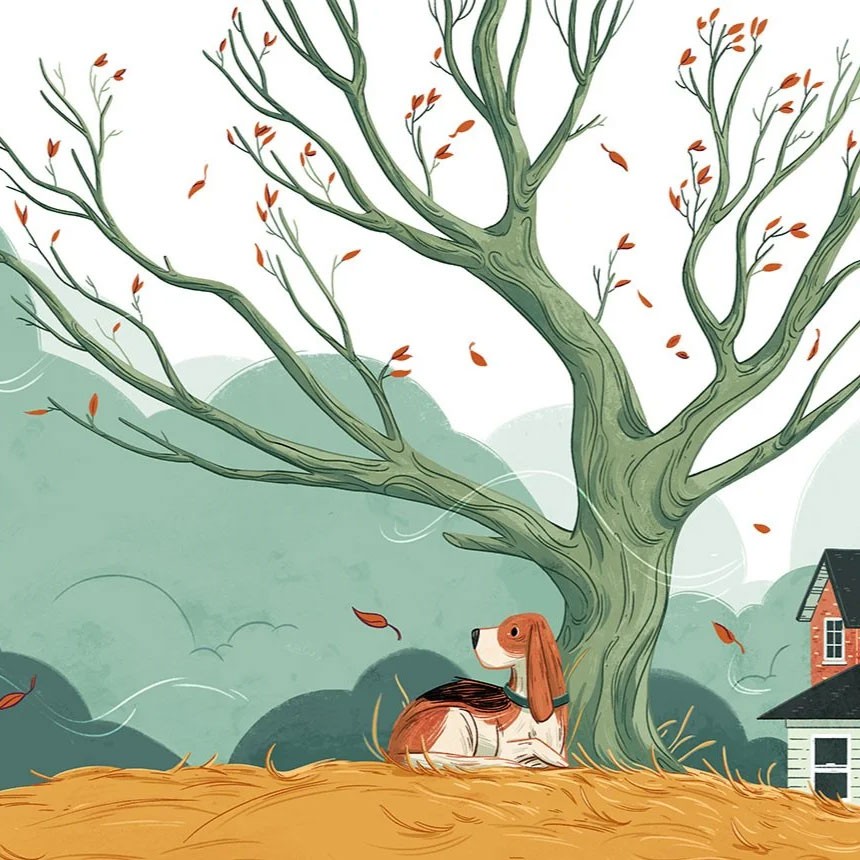
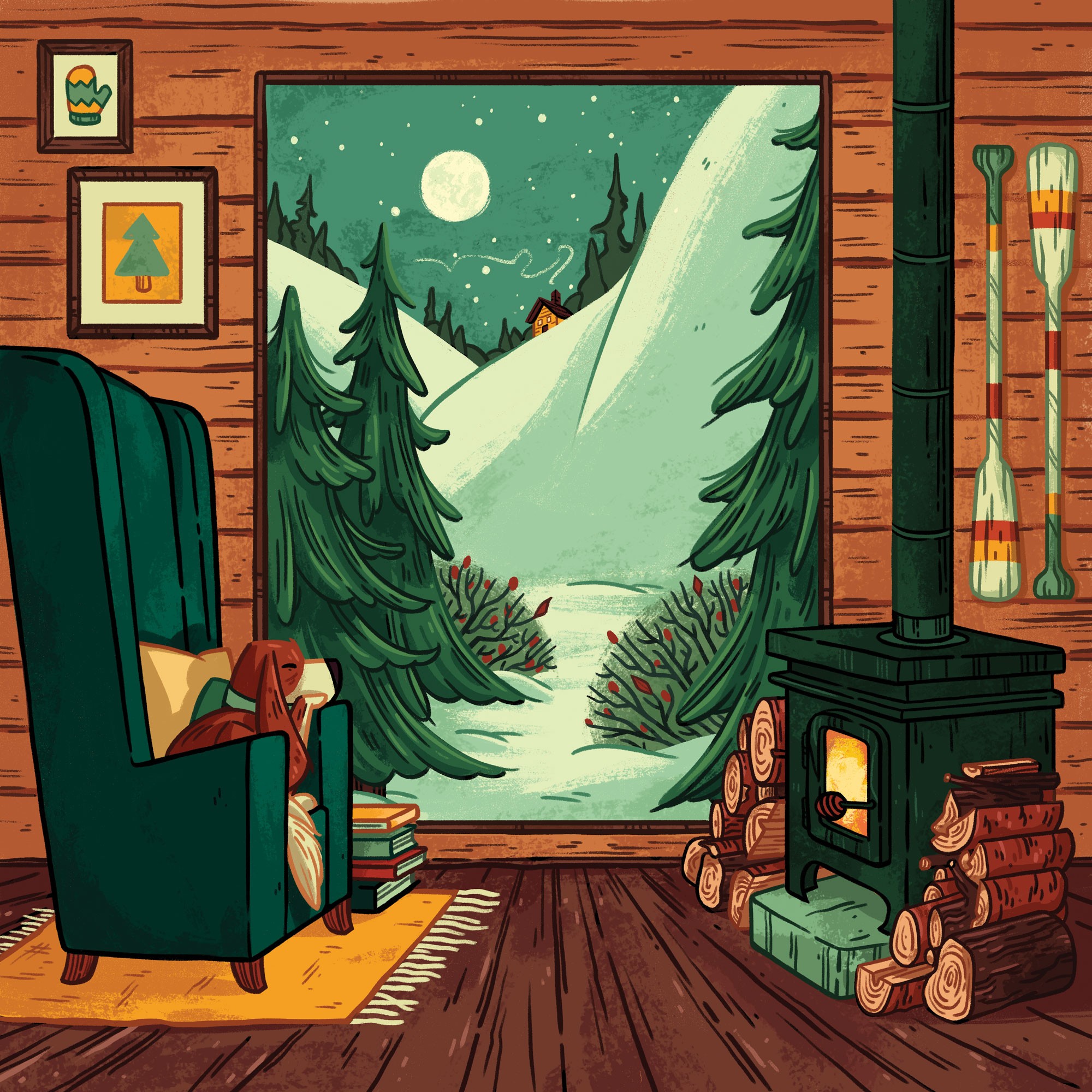
Did you have a specific career goal or path in mind after graduation? Did you end up following it or discovering a passion/strength in something else?
I can’t say I had a plan, but I started by approaching newspapers and magazines, sending them samples of my illustrations. Slowly, I started to get asked to create illustrations by different publications, and eventually, I had a small number of semi-regular clients. After a few years working like this, I felt a little stuck. I wasn’t happy with my work anymore, and didn’t feel like this work was sustainable for me. I found myself frequently wandering through bookstores, and one day it struck me that maybe I should try a new path. I’d always been a voracious reader and lover of kids’ books, and I was an illustrator now, so why didn’t I try making my own?
While continuing editorial work (and sometimes part-time jobs), I developed a new portfolio centred around children’s illustration and narrative work. I started reading more and writing my own stories. I sent samples of my work to children’s book publishers and was asked to illustrate a few book covers, then picture books. I developed one of my stories into a children’s book dummy that landed me a great agent and then my first publishing deal, which led to more illustration work and more book deals. I feel so much more at home with children’s books. I’m so glad I found my way to them.
What advice do you have for illustration graduates who are interested in going into the publishing industry? Are there any common blunders or oversights you see new freelance illustrators make?
It’s important to have genuine passion and respect for both books and readers when working in publishing. Too often, with children’s books, there can be a dismissive attitude that because they are short or simplified, they lack sophistication or value. Or an attitude that books should teach prescriptive values and lessons, rather than letting kids read for pleasure or interpret themes on their own. Children are smart, brave, creative, funny, silly, thoughtful, complex human beings. They deserve books that respect them as people, treat them with empathy, meet them at their level, challenge them, and give them space to learn and grow on their terms, not ours.
Publishing is also a slow-moving industry. Establishing yourself can take time and perseverance. I’d encourage anyone interested to take their time, learn what they can from any discouraging feedback, and keep going!
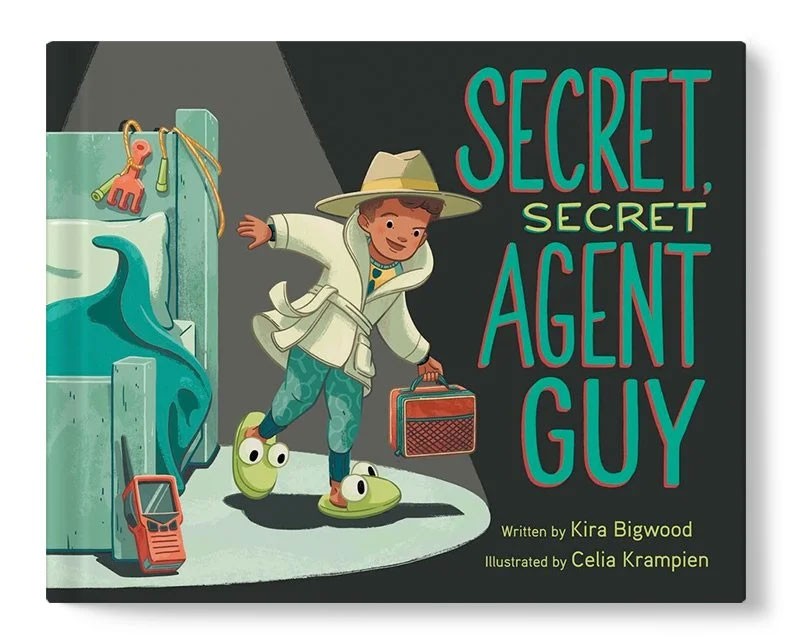
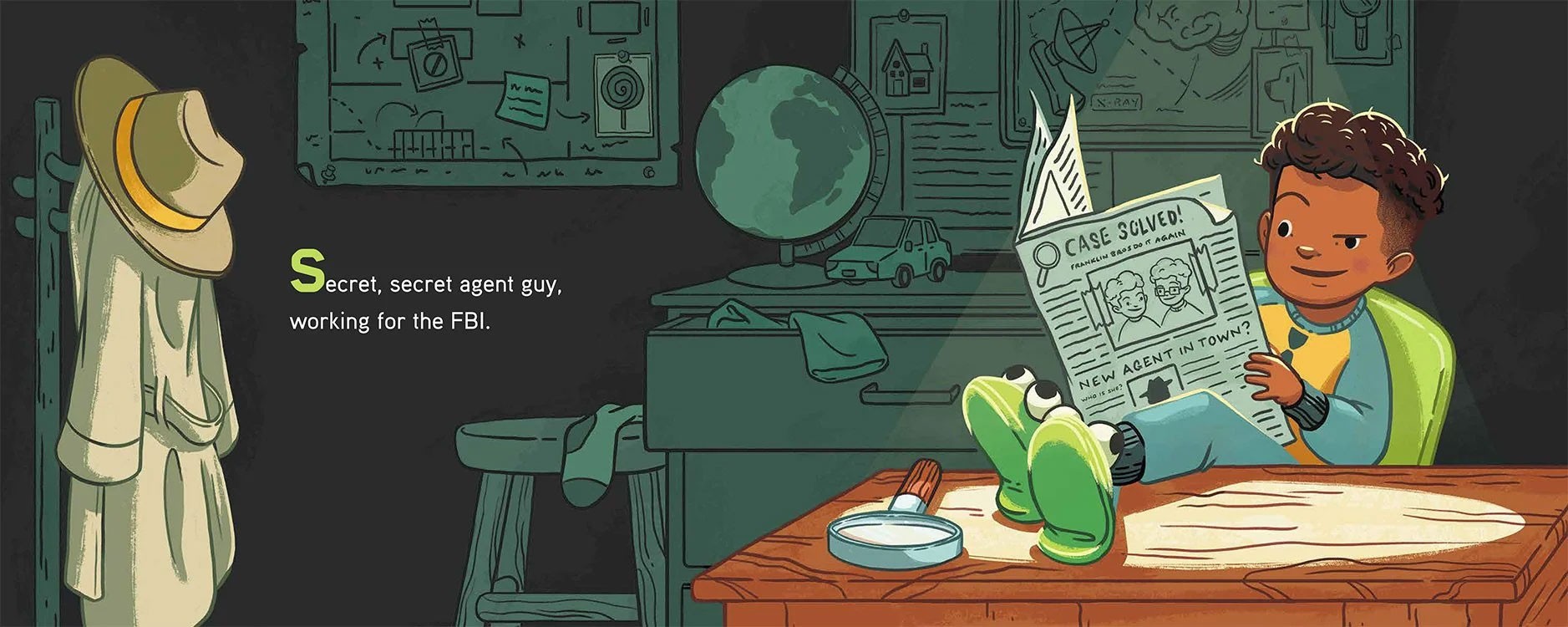
What skill sets or practices are beneficial and important to your success as an illustrator?
Being kind, conscientious, and hardworking. My biggest successes came from opportunities granted to me by people I’d already worked with who enjoyed working with me the first time around. I try to do my best, treat people kindly, deliver work on time and make the most of every opportunity that comes my way.
How do you find opportunities for children’s books in the kidlit industry? What is the best way to make connections in the publishing industry?
Having an up-to-date online portfolio of curated work geared towards children’s publishing is a must. Make sure it’s easy to navigate and your contact info is easy to find (be timely with your responses!). You also need to get your illustrations in front of the right people—you can post to social media, follow the accounts of publishing professionals you want to work with, or send samples of your work directly to publishers (some have specific email addresses where you can send samples that they will keep on file). There are also conferences hosted by organizations like SCBWI (Society for Children’s Book Writers and Illustrators) or CANSCAIP (Canadian Society for Children’s Authors, Illustrators and Performers) that offer opportunities to connect illustrators to agents, art directors and editors as well as other creators. Having a network of peers to cheer on and cheer for you, ask for advice, and recommend you for projects is super important. Many of my illustration opportunities came from those I met through Sheridan, too! Be prepared, be kind, and support others!
What helps you to feel connected to the illustration community? Are there particular social engagements or conferences you enjoy?
SCBWI and CANSCAIP are good resources for those interested in children’s publishing. Both offer conferences, resources, meet-ups, competitions, etc., designed to help participants get their footing in publishing. I also think it’s so important to cheer on peers, champion their work, and share resources. It’s been the best way to develop relationships for me.
How do you make work that connects to children?
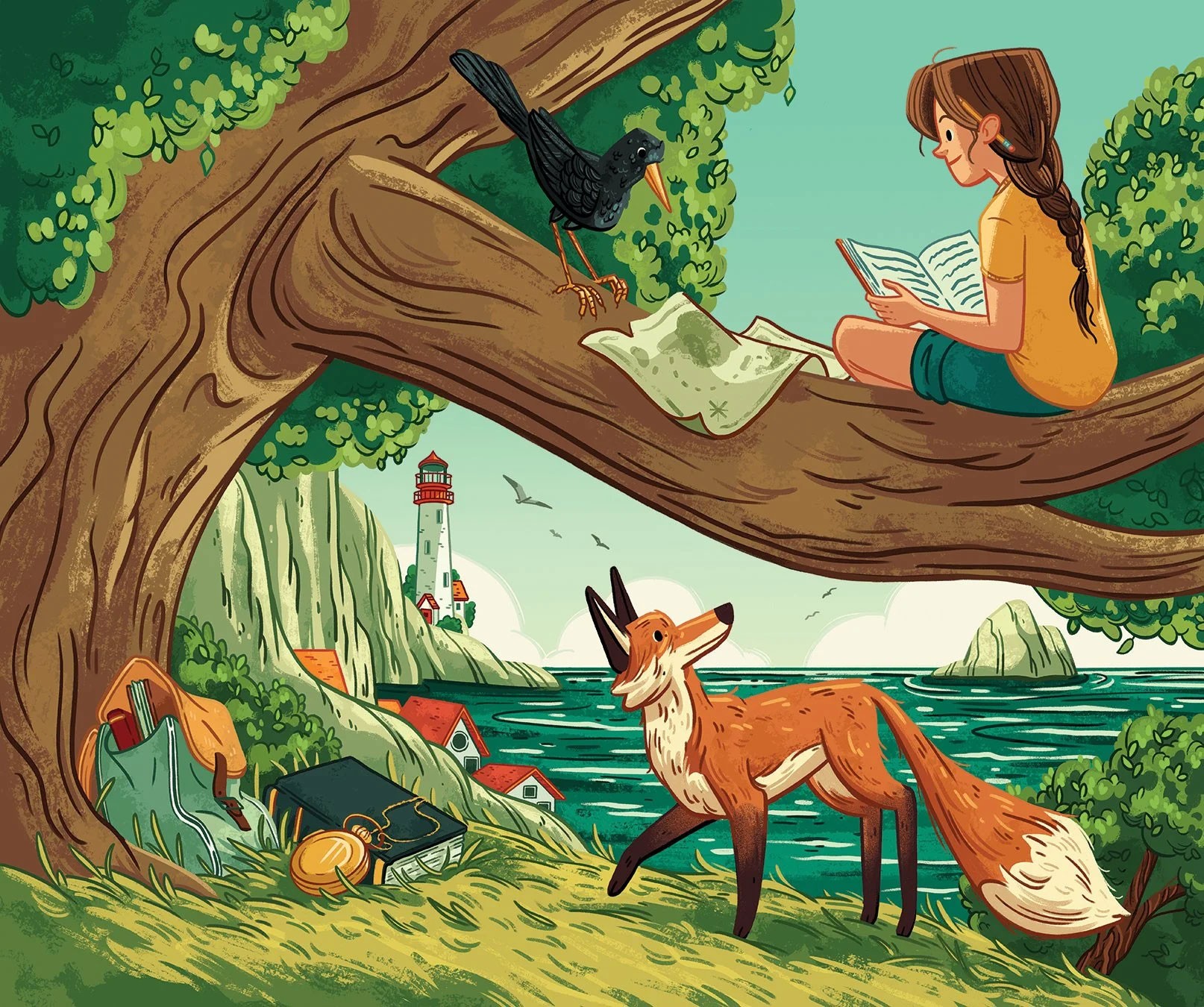
I’m just making stuff that I find fun! My projects are always things I want to draw or write about, never what I think kids would like or what’s trendy. I like stories that deal with complicated emotions and explore darker themes, but I always work fun and hope into them too. The world is cynical enough, and while I don’t think kids’ books should ever skirt around tough topics, I think we should always leave kids with hope.
What are some of the upcoming trends we should be aware of in your field of work? How important is it to align one’s portfolio to those trends?
It’s generally not advised to follow trends in publishing. The process of producing a book can take years, so if a trend is already happening, by the time a book following that trend comes out, the trend will be long over. I think it’s always best to make work that is fun, exciting, and shows off your skills. If you’re going to be working on a book for years, you will need at least some aspect to be fun and exciting! Besides, why should anyone else—especially kids—be jazzed about your book if you aren’t?
What projects are you the most proud of?
I’m proud of all my projects, but my favourites are probably the cover I created for Dan Gemeinhart’s The Remarkable Journey of Coyote Sunrise, my picture book Sunny, and my debut novel The Bellwoods Game. They all challenged me in different ways, and I learned so much about myself from them.
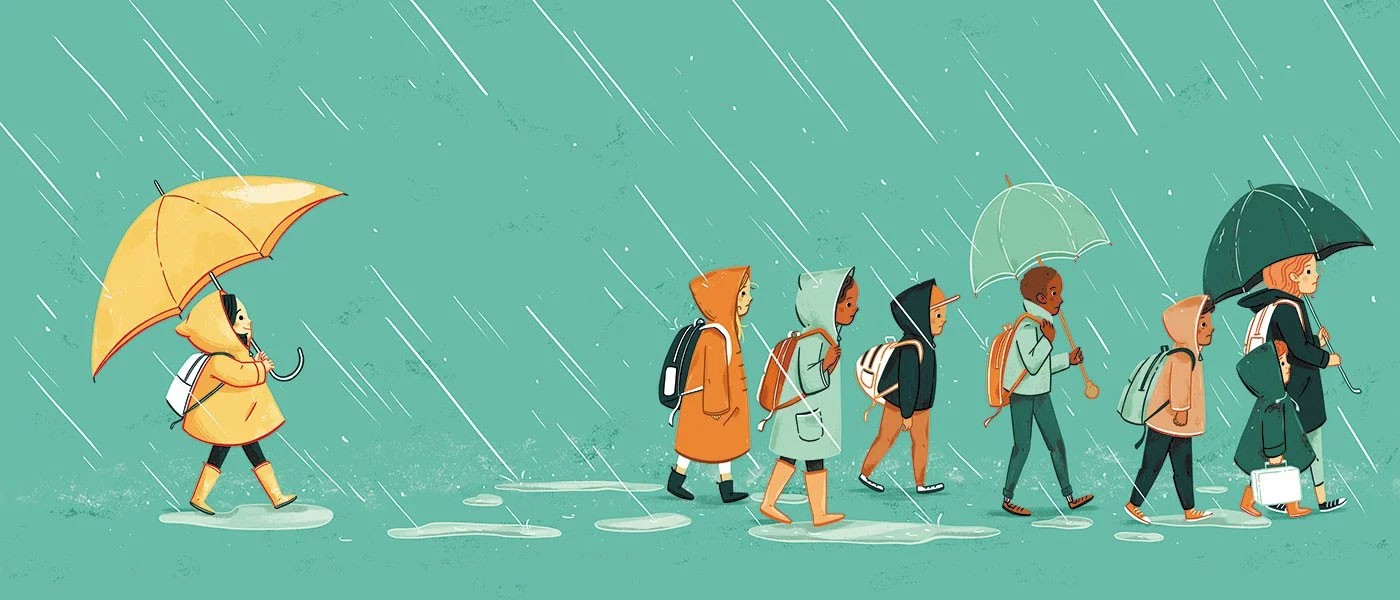
We know Sunny likes to find the bright side of rain. What’s your favourite rainy day activity?
Like Sunny, I also enjoy rainy-day walks. (As long as things don’t get too wild, of course!)
To see more of Celia’s work, visit celiakrampien.com
Interviewed and presented by:
Maggie Bartninkas; Vivian Cheng; Lee Foss; Naomi Rowlison; Robyn Skanes; Sitong Zhong.